Insights | May 26, 2026
How Talent Partnerships Work for Brands
If it feels like you’re seeing talent partnerships everywhere you look, it’s because you are.
Brands are investing in them at a level that would have been unthinkable even a few years ago. Talent and influencer marketing alone is now a $20B+ industry and still growing, as budgets shift toward creators, celebrities, and cultural voices.
The logic is straightforward.
There’s more content, more competition, and fewer shared channels to capture attention. Audiences are spread across platforms and personalities, making it harder for any single message to break through.
So brands turn to talent. Bring in a recognizable name and build around it.
Sometimes that works. Just as often, it doesn’t move the needle the way it was expected to.
As more brands adopt this approach, the gap between partnerships that get attention and those that actually drive impact has widened.
The partnerships that land aren’t built on visibility alone. They come together through alignment, deal structure, and execution, working in sync from the start.
At G7, we’ve built partnerships with global artists, athletes, and creators across 360-degree campaigns and one-off cultural moments. What we’ve seen is that the outcome is rarely determined by the name alone. It’s determined by how the partnership is built.
Every strong partnership has a reason to exist
The partnerships that work have a clear reason behind them.
A recognizable name or media spend can get attention, but without a clear cultural connection, the work often feels superficial. A commercial, a post, a campaign that checks the box but doesn’t leave much of an impression.
The strongest partnerships start with a point of view. What is this collaboration meant to do, and why should anyone care?
There’s more than one way to get there.
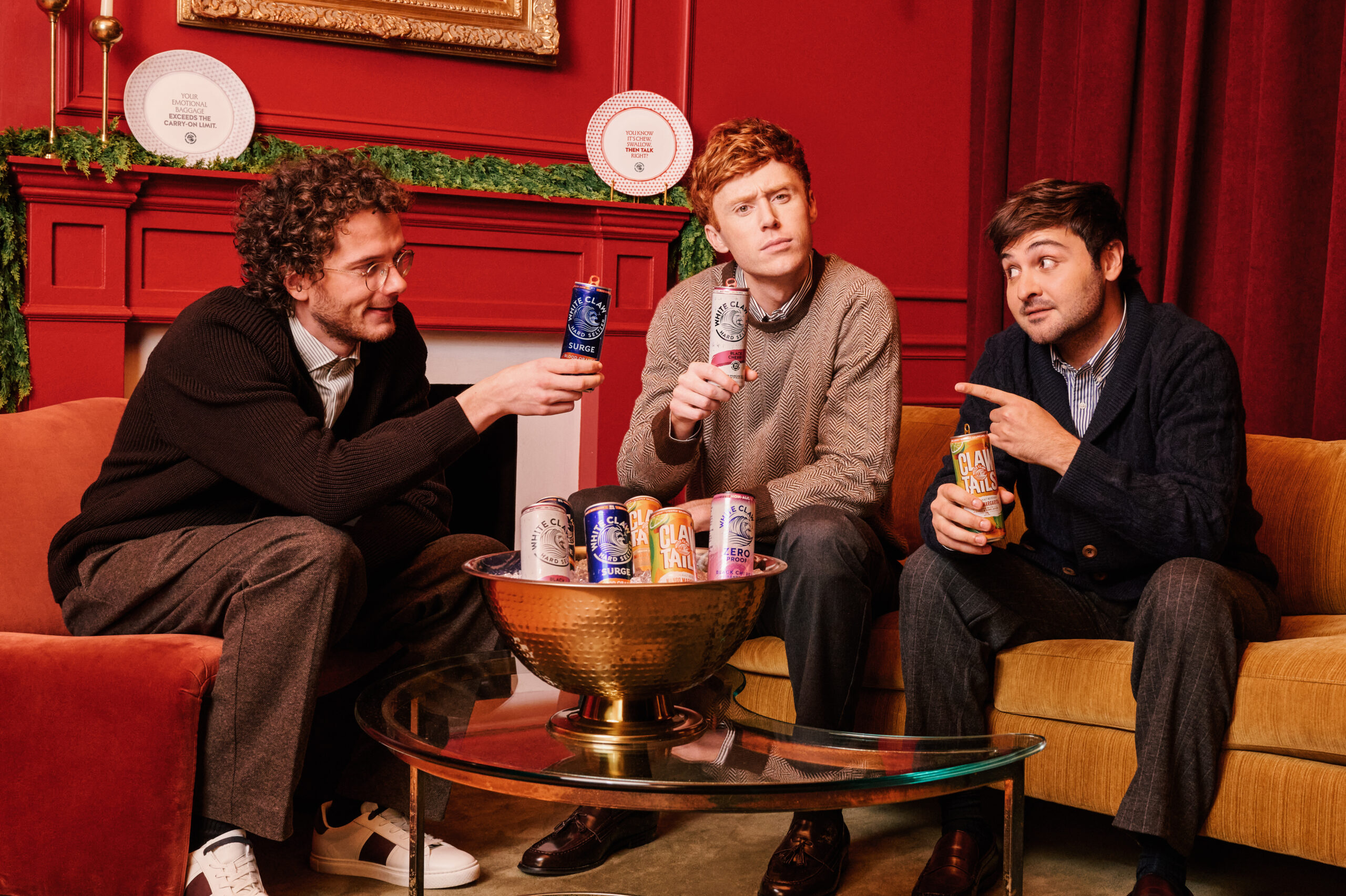
Sometimes the idea leads. For White Claw, the goal was to create a holiday Roast Generator built on a simple truth: close friends roast friends. From there, we identified and secured Please Don’t Destroy, a comedy trio known for close-friend chaos, as the right partners to bring it to life. The program generated 100 earned placements and more than 3.6 billion impressions.
Other times, the talent leads. For Mike’s Hard Lemonade, the opportunity started with The All-American Rejects. The brand’s new Dirty Lemon Secret flavor held an inherent connection to the band’s hit “Dirty Little Secret,” but the partnership became more than a song tie-in. Mike’s supported the band’s House Party Tour and extended the campaign through a fan submission element, giving fans another way into a world they already loved without making the brand the center of it.
Either way, the goal is the same: build something cohesive, purposeful, and clearly thought through before anything goes live.
Finding the right partner is more than picking a name
Identifying the right partner is rarely as simple as choosing the most recognizable name. Recognition helps, but it’s only one part of the equation.
Budget is often the fastest way to narrow the field.
It defines what’s possible early, and not just in terms of who you can work with, but what you’re asking them to do. A performance, an appearance, a multi-day shoot, or a licensing agreement all come with different expectations, timelines, and levels of involvement.
From there, fit becomes critical.
That includes audience resonance, cultural relevance, and alignment with the brand’s voice. When it clicks, the partnership feels natural. When it doesn’t, even high-profile collaborations can feel off.
There’s also a practical reality.
Past partnerships, public perception, and category conflicts all shape what’s viable. Some names are ruled out quickly due to exclusivity or broader brand considerations.
Availability matters as well. Talent operates within cycles. Tours, releases, filming schedules, and personal priorities all influence whether a partnership can realistically happen.
Taken together, these factors define the real pool of viable options. The right partner isn’t just the biggest name. It’s the one who fits the moment, the brand, and the realities of bringing the work to life.
The deal is where partnerships succeed or fail
Once the direction and talent are defined, the work shifts to building the offer and negotiating the partnership.
This is where most of the real work happens.
A partnership is far more than an idea. It’s a negotiated agreement that defines the scope, deliverables, usage, approvals, timing, and commercial terms, along with how the work connects back to the brand.
Strong deals don’t just protect the brand. They create something that works for both sides.
That requires understanding how talent operates.
Artists and creators have their own voice, instincts, and standards for what they’ll be part of. The best partnerships make space for that, while still maintaining clear objectives and guardrails.
It’s a process that rewards clarity, timing, and restraint. When handled well, the partnership is set up to succeed long before it goes live.
Execution is where partnerships come to life
Signing the deal isn’t the finish line. It’s where the work shifts into execution.
Creative is often still evolving at this stage. Content is refined, assets are produced, and approvals continue across both brand and talent teams.
Talent isn’t just participating in the work. They’re actively shaping it. Their voice and instincts influence how the partnership takes form, which requires coordination and a clear understanding of how both sides operate.
This becomes even more important in live environments.
Whether it’s a shoot, a launch, or a live appearance, these are the moments where everything comes together in real time. Multiple teams are working toward the same outcome, often under tight timelines.
Preparation matters. So does the ability to navigate the moment as it unfolds.
When execution is handled well, it feels seamless. When it’s not, alignment breaks down, and the work rarely reaches its full potential.
At G7, we stay involved through this phase to keep everything aligned, from final creative through on-site execution and compliance across all deliverables.
Where G7 fits in
Talent partnerships are built through a series of connected steps, from defining the idea to identifying the right partner, structuring the deal, and executing the work in market.
Each step introduces complexity. Each one shapes the outcome.
We work with brands across the full lifecycle of a partnership:
- shaping the idea and defining the role of talent
- identifying and securing the right partner
- building the offer and negotiating the agreement
- aligning deliverables, rights, and usage
- supporting execution across content, campaigns, and live moments
Because we are independent, our role is to represent the needs of the brand throughout the process.
The goal is not just to secure a partnership, but to build something both sides are invested in.
When all of the pieces are aligned, the result is a collaboration that carries, both in culture and in the business.
–
Looking for a smarter approach to talent partnerships?
The best talent partnerships don’t start with a name. They start with a strategy. At G7 Marketing, we help brands identify the right talent, structure the partnership, and activate it in ways that actually move the needle.