Insights | October 29, 2026
Sponsorship Activation Examples: 7 That Actually Worked (And Why)
People buy tickets to see their favorite artists, cheer on their team or spend a weekend doing something they love. Brands sponsor those occasions to reach an audience, but being there doesn’t automatically make them part of the experience. That’s the job of activation: giving people a reason to spend time with the brand. These seven sponsorship activation examples show how brands have done that, with a closer look at what they offered, why it fit the occasion and what the program delivered.
What Makes a Sponsorship Activation Work?
A strong sponsorship activation gives people a reason to engage and connects that experience to what the brand needs to accomplish. Those two things should shape the idea together, whether the goal is introducing a product, building a relationship with fans or getting people talking.
To find that idea, start with the occasion. People arrive at a music festival with different plans and expectations than they bring to a football game. Understanding what they’re looking forward to, what they need and what might make their day better helps a brand find a useful role.
From there, decide what you’re offering people. It could be a place to recharge, access to an artist, a chance to try a new product or a fun activity to share with friends. Whatever the offer, people should understand what’s in it for them and feel that it was worth their time.
The brand’s goal also determines how to judge the program. A sampling experience needs to get people trying the product, while a headline-making idea should earn attention beyond the event. Defining the intended outcome early helps the team decide what to build, how to invite people in and what to measure afterward.
7 Sponsorship Activations Examples (And What Made Them Work)
We’ve included three programs from G7 alongside four industry examples, each showing a different way to put a sponsorship to work.
Altra at Diplo’s Run Club
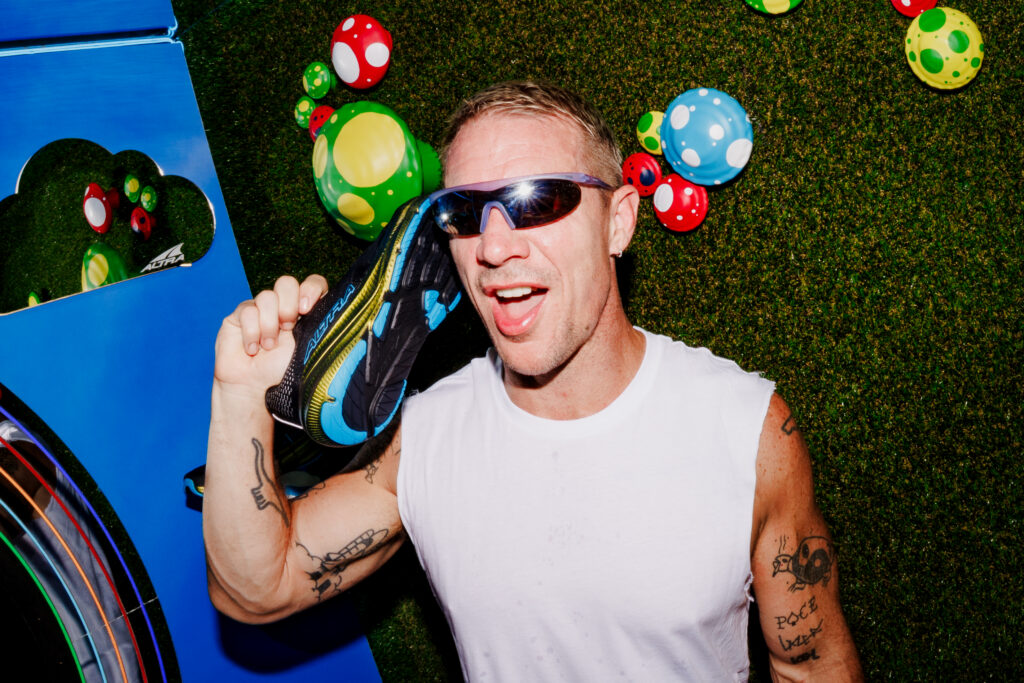
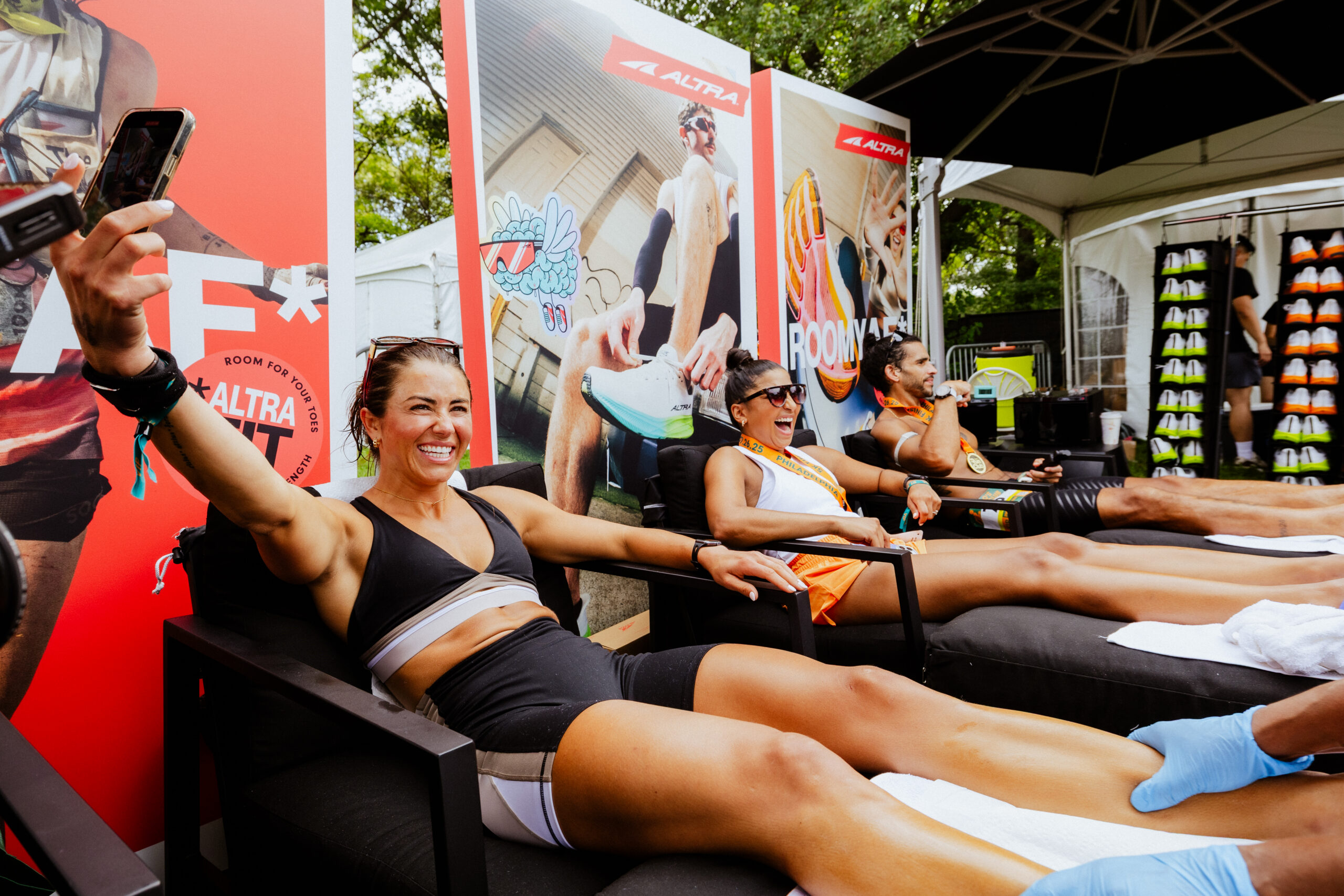
What it was: Altra became the official running shoe partner of Diplo’s Run Club, a touring 5K followed by a music festival. G7 brought the brand’s “Experience a New High” campaign to life through the Dopamine Dispensary, combining design inspired by a cannabis dispensary with shoe demos, running “munchies,” body glitter and recovery experiences. In year two, the concept evolved into immersive rooms inspired by two shoe colorways.
What made it work: The event gave Altra’s campaign a natural setting: runners could chase their runner’s high, then keep the feeling going at the party. The dispensary concept gave the activation a distinctive identity, while glitter, merch and recovery services helped runners get ready for what came next. Year two brought the shoes further into the story: each colorway inspired a room with its own atmosphere, and guests could choose merch to match the colorway they liked best.
Result: Across the eight-city first-year program, the activation engaged 48,000 runners, delivered 12,000 VIP experiences, distributed 63,000 premiums and supported 625 shoe demos.
Pop-Tarts Bowl
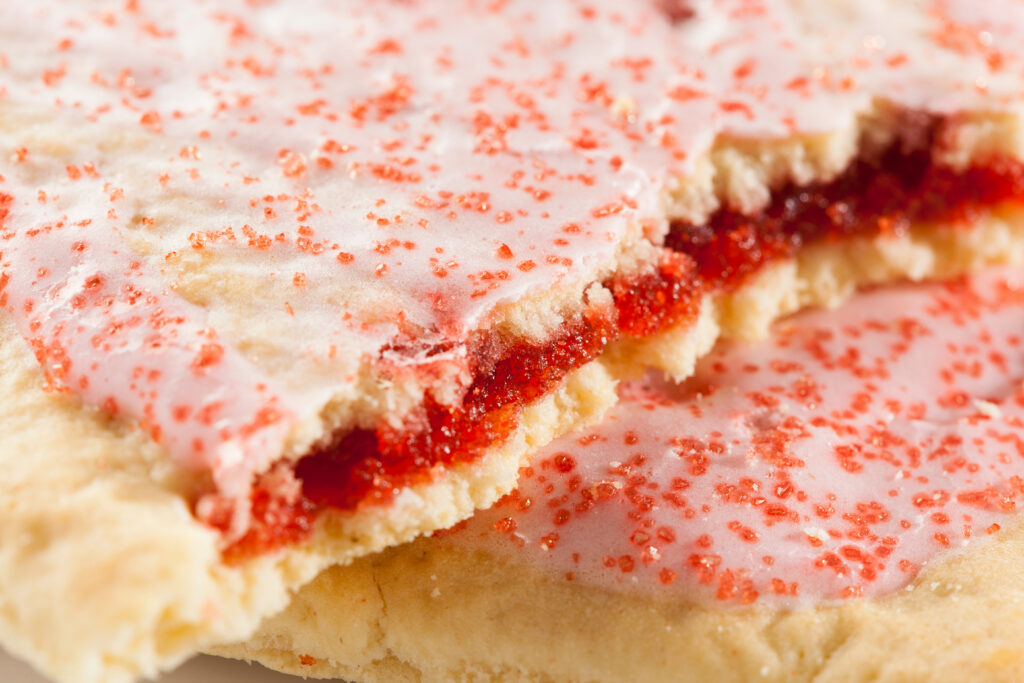
What it was: When Pop-Tarts became the title sponsor of a college football bowl game in 2023, it introduced a mascot with an unusual destiny: being eaten by the winning team. The character entertained fans throughout the game before descending into a giant toaster, from which an edible version emerged for the players’ celebration.
What made it work: Mascots and postgame celebrations already belong to college football, so Pop-Tarts had a familiar starting point for a very strange idea. The mascot gave people a character to follow and a finale worth waiting for, with the spectacle just as easy to enjoy on television or in a clip afterward. Crucially, the product was central to the payoff: Pop-Tarts wanted people to see it as more than a breakfast food, and here it was becoming the winning team’s postgame treat.
Result: Weber Shandwick, the PR agency behind the campaign, reports more than four billion impressions and 15 times more brand mentions than ten other non-Kellanova-sponsored bowl games combined.
Subaru at Overland Expo
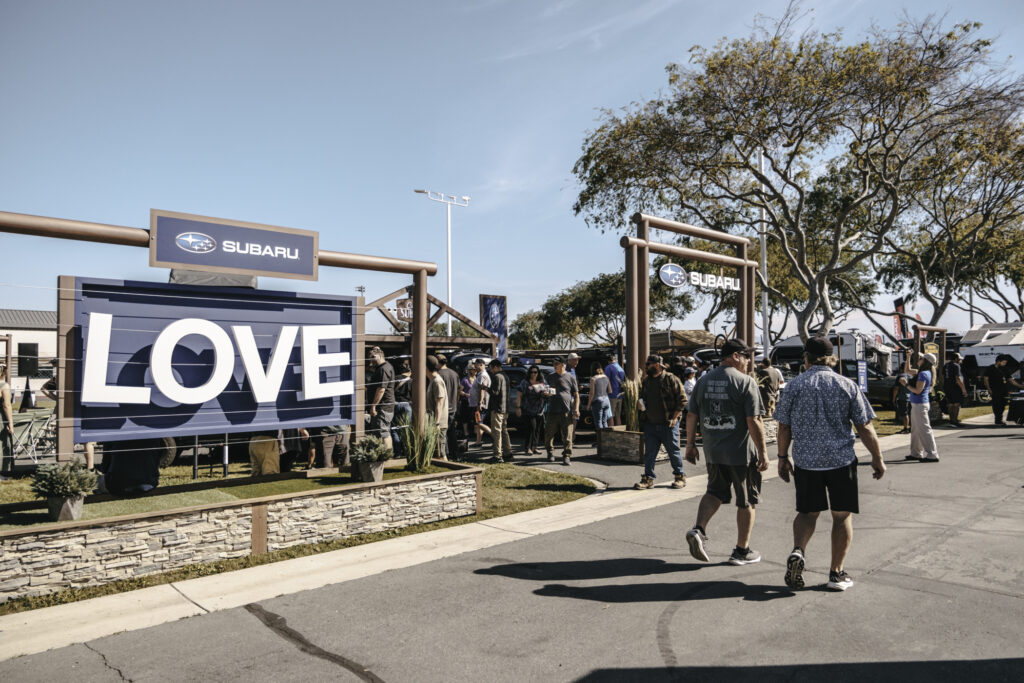
What it was: Overland Expo brings together outdoor-adventure enthusiasts to explore vehicles, equipment and the skills that help them travel beyond the pavement. As a title sponsor, Subaru worked with G7 to create a gathering place featuring current models alongside custom owner-built vehicles, with outdoor gear, open seating and a dog adoption area bringing the wider Subaru lifestyle into the space.
What made it work: The owners gave visitors something a standard vehicle display couldn’t: a firsthand look at how people had adapted their Subarus for actual adventures. Guests could ask about those choices, explore gear from partners such as REI and Luno, and picture how a vehicle might fit into their own plans. The gathering spaces encouraged those conversations, while the dog adoption area gave visitors a way to share Subaru’s support for animal welfare.
Result: At the Southern California stop that opened the 2026 season, guests spent an average of nearly nine minutes in the space, giving Subaru time to introduce its vehicles and visitors time to talk with owners.
Pepsi Fan Deck at Levi’s Stadium
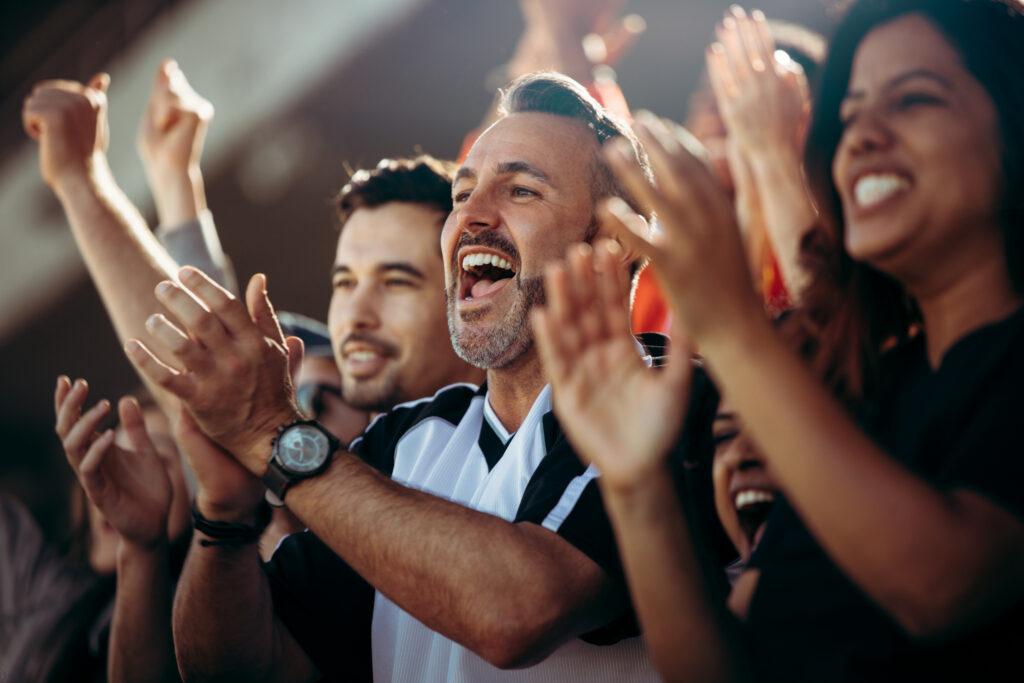
What it was: As a founding sponsor of Levi’s Stadium, home of the San Francisco 49ers, Pepsi created a permanent Fan Deck overlooking the field. Fans entered through a giant Pepsi-cup tunnel and found bottle-cap seating, branded gathering areas and an oversized Pepsi 12-pack containing seats they could win through social contests.
What made it work: The brand built around a straightforward fan desire: a good place to watch the game with other people. Its packaging became the architecture and furniture, making Pepsi recognizable through elements fans could actually use. The chance to win special seats gave fans something to get excited about before they even arrived at the stadium.
Result: The sponsorship created a lasting fan amenity with a communal viewing space and special seating opportunities; its design also earned a Silver Clio Sports award, recognizing creative excellence in sports marketing.
Neutrogena at Coachella
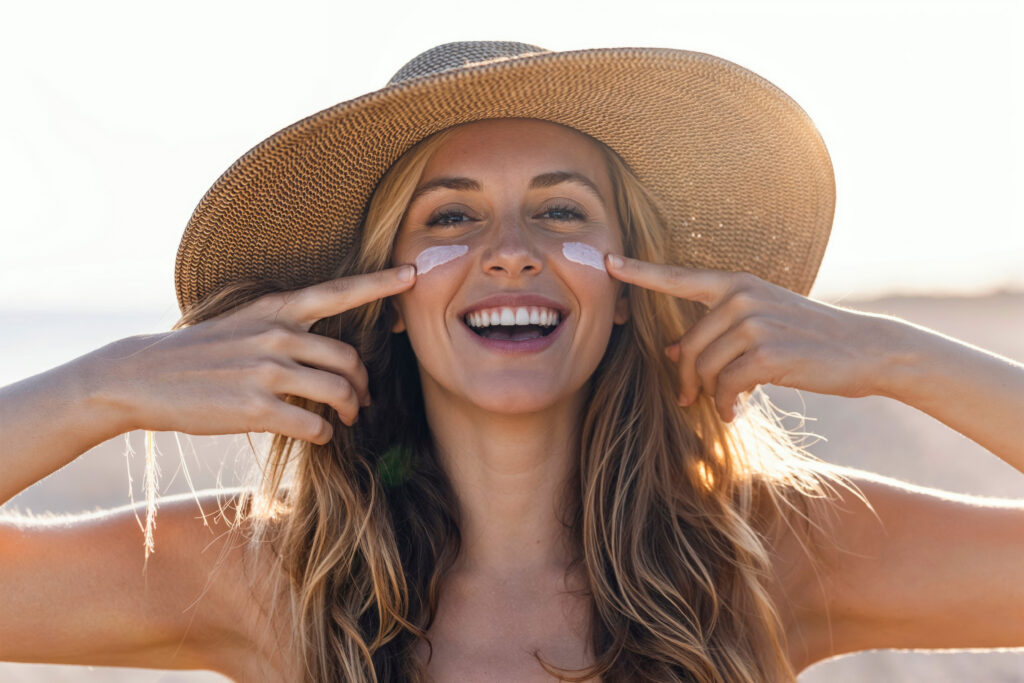
What it was: As Coachella’s official suncare sponsor, Neutrogena made sunscreen available throughout the 2026 festival weekend, from Palm Springs Airport to dispensers on the grounds. The program also included creator mailers, hosted experiences and social content.
What made it work: Sunscreen has an obvious job at a desert festival, but the smarter decision was making it available at multiple points instead of expecting everyone to visit one branded destination. Guests could encounter the product as they arrived and again during the event, putting sunscreen within reach when people needed it. Creator programming built on that useful role, providing additional ways to introduce the products and carry the story beyond the people using the dispensers.
Result: The 2026 program distributed more than 145,000 product samples across its airport-to-festival presence and onsite activations.
Liquid Death at NASCAR
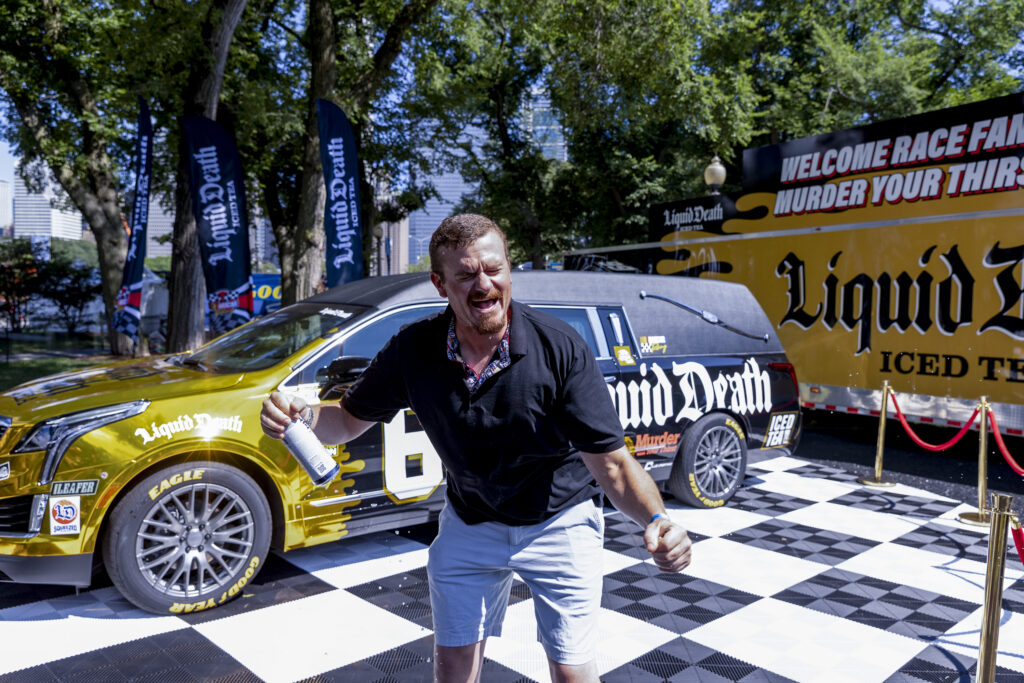
What it was: To activate Liquid Death’s Official Iced Tea of NASCAR sponsorship, G7 created and toured the Can Zone, a race-team-inspired experience anchored by a vehicle hauler and the Thirst Hearse wrapped like a NASCAR race car. Fans sampled iced tea, met Murder Man, the brand’s can-headed mascot, spun for merchandise and could “sell their souls” to join the Liquid Death Country Club.
What made it work: The hauler and race-car treatment made the activation feel connected to the sport, while the hearse and mascot kept it unmistakably Liquid Death. That combination let the brand join race day on its own terms, carrying its personality through the practical mechanics of sampling, prizes and signup. The soul-selling invitation made a routine data request part of the entertainment, giving fans a memorable way to join the brand’s community.
Result: The touring program distributed more than 11,000 cans of Liquid Death Iced Tea and more than 22,000 premiums.
Pinterest at Coachella
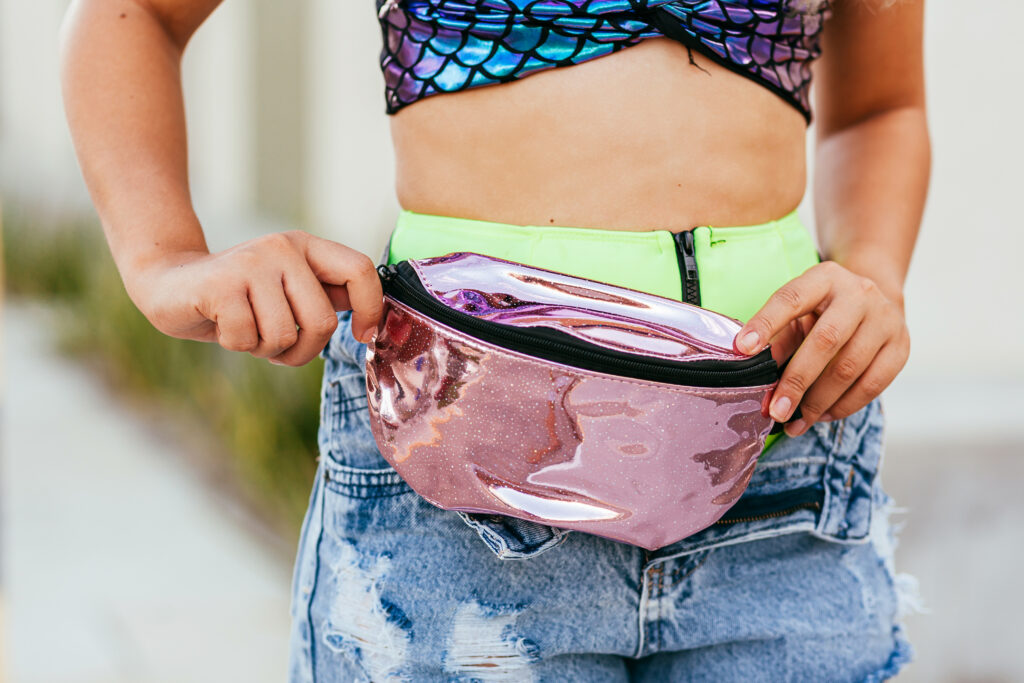
What it was: At Coachella 2026, Pinterest asked guests to put away their phones before entering an experience built around inspiration and self-expression. Inside, they could customize accessories, get beauty touch-ups with e.l.f. Cosmetics and assemble printed keepsakes to mail home, bringing familiar Pinterest behaviors into the physical world.
What made it work: People already turn to Pinterest to plan their festival looks, so the brand had a clear connection to what guests wanted to explore. A digital platform asking people to put away their phones was a catchy, counterintuitive hook, giving people something to talk about before the gates opened. It also made sense for Pinterest: the point of collecting inspiration is getting to do something with it. Guests carried their new looks back into the festival, while keepsakes mailed home gave them something to revisit afterward.
Result: Pinterest CMO Claudine Cheever reported that the activation doubled its earned media, with queues to enter and guests’ festival looks generating word of mouth beyond the footprint.
What the Best Sponsorship Activations Have in Common
The most useful lesson across these examples is how each brand gives fans something they want in a way that feels true to itself. Pop-Tarts turns its product into a playful postgame spectacle. Liquid Death makes email signup part of the entertainment. Subaru lets visitors learn from owners who share their appetite for adventure.
They also show how a strong idea can make familiar activities work harder. Altra’s glitter, recovery services and merch reward runners at the right moment. Pinterest makes experimenting with your festival look part of a bigger invitation to enjoy yourself offline. The central idea makes the experience distinctive, while those approachable activities give people reasons to join.
The sponsorship environment shapes the opportunity. A football stadium can support a lasting fan amenity. A desert festival creates an immediate need for sunscreen. An outdoor-adventure expo gives owners and prospective customers something to talk about. Understanding the setting helps a brand decide where to invest and what people will actually use.
Finally, success should connect to the job. Sample counts show how much product reached people, dwell time shows how long they stayed, and earned media shows how far the story spread. Those outcomes tell different stories. Knowing which one matters helps shape the activation from the beginning and gives the team a clearer basis for evaluating it afterward.
—
G7 develops sponsorship activations across music, sports and cultural events, connecting the opportunity with an experience people will value.
Interested in learning more about what your sponsorship needs to accomplish all this and how to put it to work?