Insights | July 23, 2026
Brand Activation Examples That Delivered
Brand activations can be fun, beautiful, clever, strange, useful, or all of the above. But the best ones have more going on than a good-looking footprint or a flashy idea.
They solve for something.
Maybe the brand needs people to try a product. Maybe it needs to make a sponsorship feel more valuable. Maybe it needs to create buzz, collect leads, make a new format easier to understand, or earn a more credible role in culture.
That’s what separates a strong brand activation from a branded distraction. The experience gives people something meaningful to do, and that participation connects back to a clear business or brand goal.
A brand activation can take many forms: a festival footprint, pop-up, sampling tour, fan zone, digital campaign, talent-led moment, or useful service. The format matters, but the objective matters more.
This article looks at brand activation examples through a practical lens: what the brand needed to accomplish, how the experience worked, and why the idea was worth studying.
Key Takeaways
- The best brand activation examples are worth studying because they connect a clear objective, a smart participation strategy, and an outcome that proves the idea worked.
- Strong activations consider two audiences: those who go, the people who participate in person, and those who know, the people who encounter the idea from afar through social, press, livestreams, creator coverage, or cultural conversation.
- The examples below show how brands can use experiences, sponsorships, talent, product trial, useful services, and physical pop-ups to give people a real reason to engage.
What Makes a Brand Activation Example Worth Studying?
The most useful brand activation examples connect three things: a clear objective, a smart participation strategy, and an outcome that proves the idea did its job.
That starts with understanding who the activation needs to reach. Some activations are built primarily for those who go: the people who try the product, scan the QR code, enter the space, sign up, take the demo, or spend time with the brand in person. These activations are often measured through trial, leads, demos, dwell time, purchase intent, or sponsorship engagement.
Others are built to reach those who know: the people who encounter the idea from afar through earned media, social content, influencer coverage, press, livestreams, or cultural conversation. These activations are often measured through reach, impressions, shares, content performance, earned media, or broader awareness.
The strongest activations often consider both audiences. They give people on-site a reason to participate, and they give the idea enough clarity to travel beyond the moment itself.
That’s where participation strategy matters. A smart activation understands what people are already doing, feeling, needing, or looking for in that moment, then gives the brand a role that feels natural, useful, entertaining, or worth sharing.
The outcome should connect directly back to the objective. If the goal was trial, the results should show that people actually tried the product at meaningful scale. If the goal was awareness, there should be proof through earned media, social shares, impressions, or other signs that the idea traveled.
The best examples are not just impressive. They have a job, and the experience helps that job get done.
G7 Activation Case Studies
The following examples come from G7’s work helping brands turn sponsorships, campaigns, and cultural moments into experiences people can actually participate in.
White Claw x Coachella: Turning Festival Sponsorship Into Fan Access
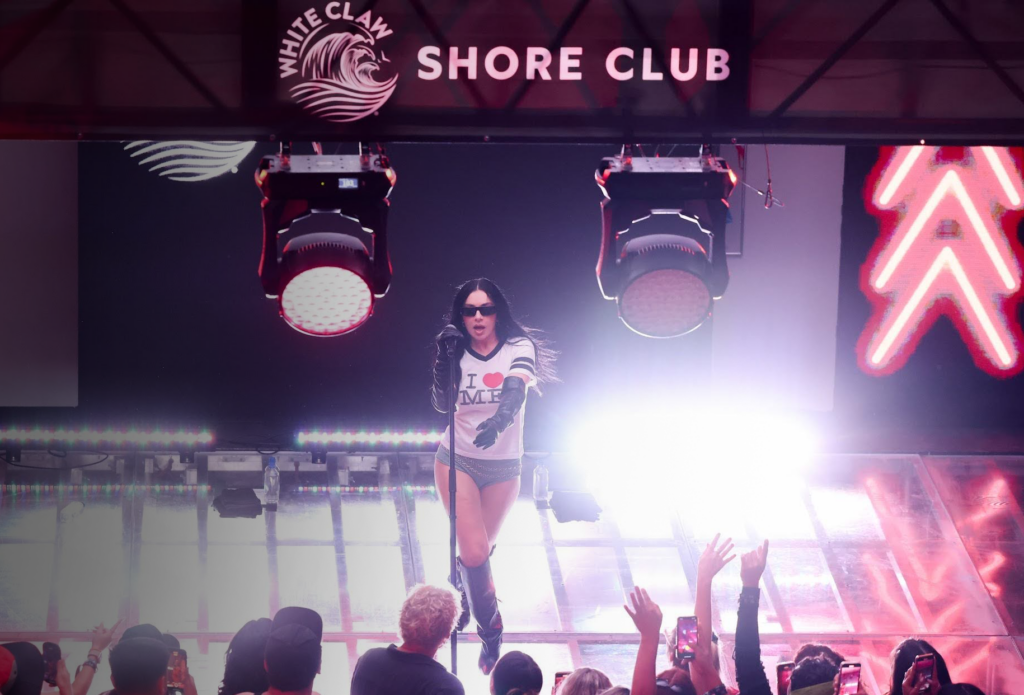
Objective: White Claw has built a meaningful relationship with music culture, and Coachella is one of the biggest places that relationship can show up. But at a festival crowded with artists, fans, parties, sponsors, and brand moments, being present isn’t the same as breaking through.
White Claw needed to turn its Coachella sponsorship into something fans would seek out: not just a footprint on the grounds, but a music platform with real access, energy, and social pull.
Execution: G7 helped White Claw build a fan-access platform around Coachella weekend, connecting on-site festival presence with owned music moments beyond the grounds.
Inside the festival, Shore Club gave fans a destination with a bar, DJ programming, social space, photo moments, rewards, and surprise drops that made the footprint feel active, not passive.
Outside the festival, White Claw created intimate music moments that brought fans closer to artists in a setting the brand could fully own. These performances gave White Claw something a standard sponsorship couldn’t: its own role in the culture surrounding the weekend, separate from the official stages but still connected to the energy around them.
Outcome: White Claw used Coachella as more than a sponsorship channel. It created a fan-access platform that could live on-site, off-site, and across social conversation.
The brand wasn’t just visible during one of music’s biggest weekends. It gave fans a way into the culture around it through live performance, artist access, rewards, and shared moments they couldn’t get from signage alone.
Altra x Diplo’s Run Club: Making a Runner’s High Tangible
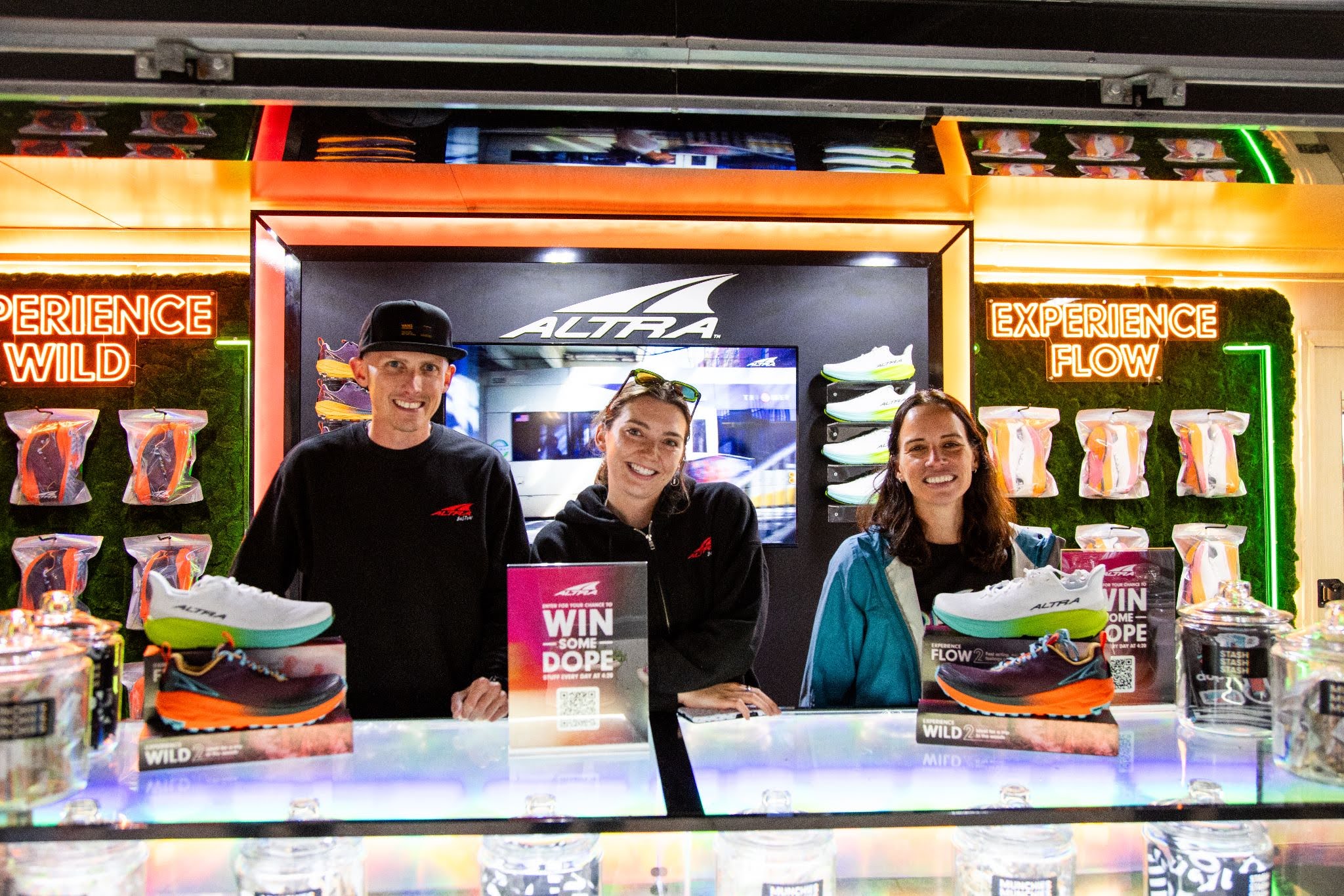
Objective: Altra wanted to show up in running culture with more personality, connecting with core runners and a broader fitness audience through an event built around movement, music, wellness, and community.
That made Diplo’s Run Club a strong fit. It wasn’t just a race. It was a social running experience, giving Altra room to move beyond performance language and bring its “Experience a New High” campaign into the real world.
The campaign already had the hook: treating the dopamine release behind a runner’s high with a wink to modern cannabis culture. The job was to make that idea feel physical, playful, and worth engaging with.
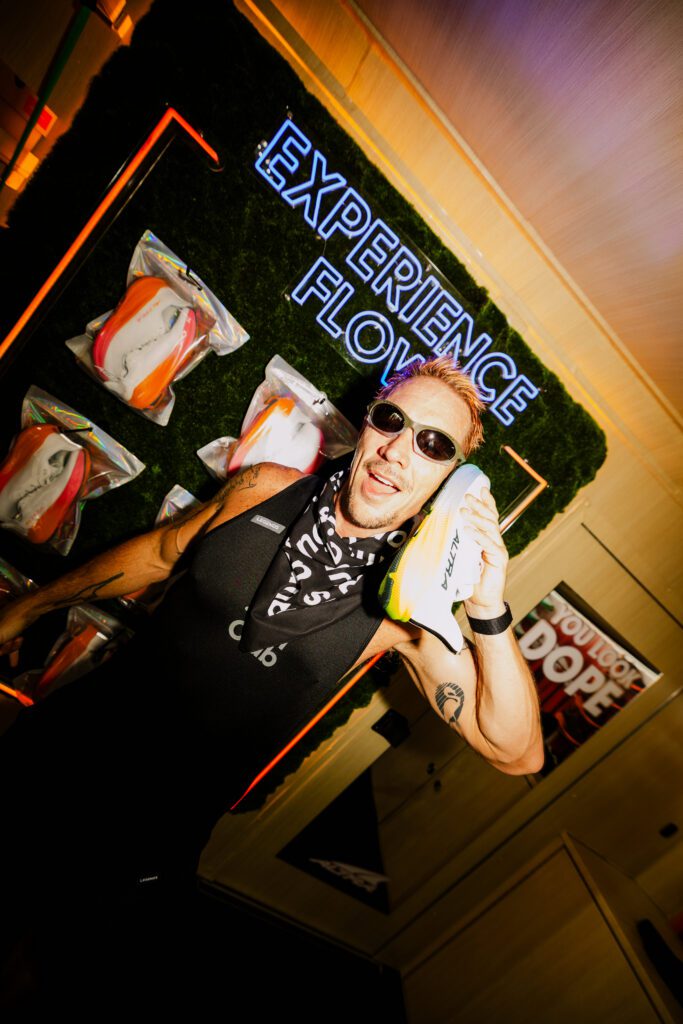
Execution: G7 helped Altra create the Dopamine Dispensary, a mobile activation that turned the campaign’s “new high” idea into a clear, ownable format. It borrowed from dispensary design through details like a glass-encased counter, shoes displayed in weed-inspired mylar bags, and “munchies” reimagined as running snacks.
But the idea wasn’t just a visual joke. It gave people an easy way into the campaign. Runners could understand it quickly, share it naturally, and still engage with the product in the right setting.
Beyond the Dopamine Dispensary, Altra built a fuller race-weekend presence with product demos, photo opportunities, and VIP recovery zones with restorative experiences.
Outcome: In its first year, the activation reached more than 80,000 runners, created 12,000 VIP experiences, delivered 63,000 premium items, and supported 625 shoe demos.
The program worked because it gave Altra more than visibility. It gave the brand a sharper role in running culture: part product discovery, part recovery moment, part social experience, and part wink at a feeling every runner already knows.
Liquid Death x NASCAR Can Zone: Turning Sponsorship Into Product Trial
Objective: Liquid Death Iced Tea at NASCAR challenged a basic category assumption: some products “belong” in certain environments, and others don’t.
Iced tea may not be the most obvious fit for NASCAR. But Liquid Death’s loud, irreverent energy absolutely is. As the Official Iced Tea of NASCAR, the brand needed to drive awareness and trial by matching the spirit of race day without behaving like a traditional sponsor.
The goal wasn’t just to hand out cans. It was to make sampling feel entertaining, ownable, and a little unhinged.
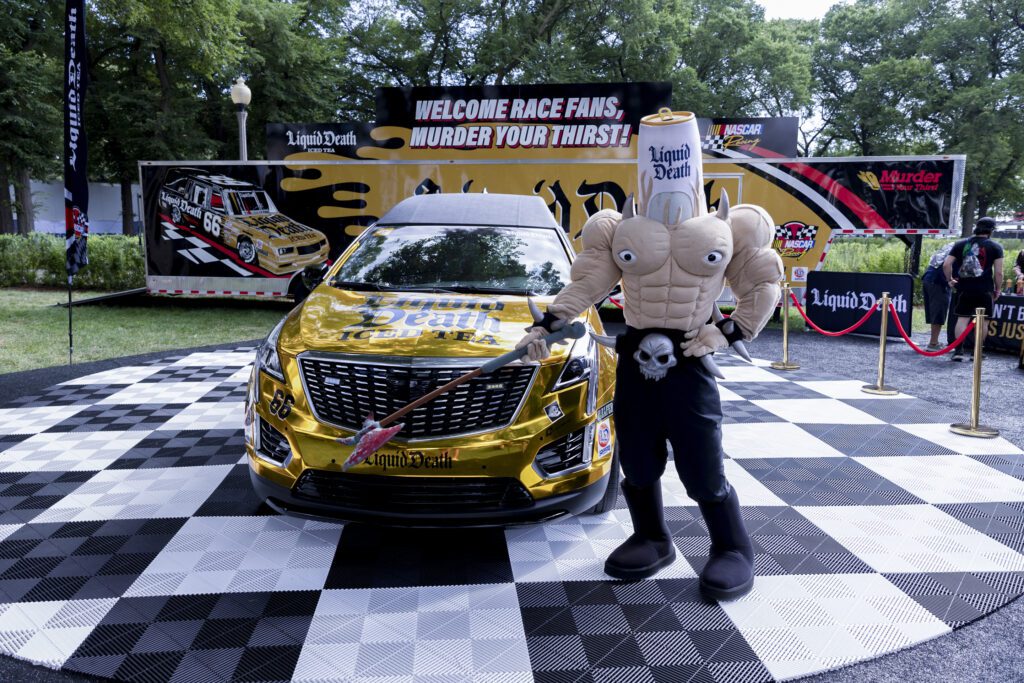
Execution: G7 created the Liquid Death Can Zone, a NASCAR-inspired activation built around the brand’s dark, disruptive sense of humor.
The experience took Liquid Death’s “Murder Your Thirst” platform and drove it straight into the racing world. The centerpiece was the Thirst Hearse, a full-scale hearse custom-wrapped like a NASCAR race car. It gave fans an immediate visual hook and made the brand feel like it had joined the circuit on its own terms.
Then came Murder Man, the brand’s absurd aluminum-can-headed mascot, foam axe in hand. In a more buttoned-up sponsor environment, he would’ve felt wildly out of place. At the Can Zone, that was the point. He turned the footprint from a sampling stop into a piece of Liquid Death’s world.
Even the data-capture mechanic stayed in character. Instead of asking fans to fill out a generic form, the brand invited them to “sell their souls” to join the Liquid Death Country Club.
The activation still did the practical jobs: sampling Liquid Death Iced Tea, giving fans a reason to play, distributing premiums, and creating a clear next step with the brand. But those mechanics sat inside a louder, stranger experience built to get attention.
Outcome: The Liquid Death Can Zone toured to NASCAR events including the Chicago Street Race, Talladega, and the Cup Series Championship in Phoenix. Across the program, the activation sampled more than 11,000 cans of Liquid Death Iced Tea and distributed more than 22,000 premiums.
The result showed how a non-traditional product can enter an established sponsorship environment without losing its edge. Liquid Death used NASCAR to drive trial, but did it by twisting the sport’s codes into something only the brand could own.
What These Brand Activation Examples Have in Common
These examples vary in size, format, and category. But the strongest ones share the same basic discipline: they give people a clear role, fit the context they enter, and connect back to the business objective.
First, they give the audience something to do. People aren’t just seeing the brand. They’re tasting, learning, playing, voting, resting, sharing, or following the story. That role is what turns passive exposure into participation.
Second, they fit the moment. White Claw worked at Coachella because it supported the way people already experience a festival. Altra worked at Diplo’s Run Club because it matched the event’s blend of running, music, wellness, and community.
That fit matters more than pure novelty. A strange idea can get attention, but a relevant idea is easier for people to understand, enter, share, and remember.
Third, they’re built to travel. The best activations work for those who go and those who know. Simple hooks that can move through social, press, and conversation.
Finally, they know what success looks like. Fun is useful, but fun on its own isn’t the strategy. A strong activation supports trial, awareness, data capture, sponsorship value, cultural relevance, product education, purchase intent, or long-term affinity.
That’s the difference between a brand activation and a branded distraction. A good idea gets people to look. A stronger one gives them a reason to participate and gives the brand a way to measure what happened next.
Looking for Brand Activation Ideas of Your Own?
The best brand activation ideas start with a practical question: what do we want people to do with this brand that an ad alone can’t accomplish?
From there, the format should follow the job. A pop-up, festival footprint, sampling tour, fan zone, talent-led moment, digital mechanic, or sponsorship activation can all work when the experience fits the setting, gives people a clear reason to participate, and connects back to the business goal.
G7 helps brands shape that strategy and turn it into experiences people want to engage with, share, and remember. If you’re looking for a brand activation agency, we can help you build the right idea around the audience, the moment, and the objective.
FREQUENTLY ASKED QUESTIONS
Successful brand activation examples include White Claw’s Coachella fan-access platform, Altra’s Dopamine Dispensary at Diplo’s Run Club, and Liquid Death’s NASCAR Can Zone. Each gave people a clear way to participate with the brand, whether through trial, access, utility, entertainment, or a shareable cultural moment.
A brand activation campaign is successful when it connects a clear objective to a relevant audience behavior and an outcome that proves the idea worked. Strong activations fit the context, give people a real reason to participate, and measure success against the goal, whether that’s trial, awareness, engagement, data capture, sponsorship value, or cultural relevance.
Many industries can benefit from brand activation, including beverage, food, beauty, fashion, automotive, technology, entertainment, travel, sports, retail, finance, insurance, and consumer services. Brand activation is especially useful for any brand that needs people to try, understand, feel, share, join, or remember something.