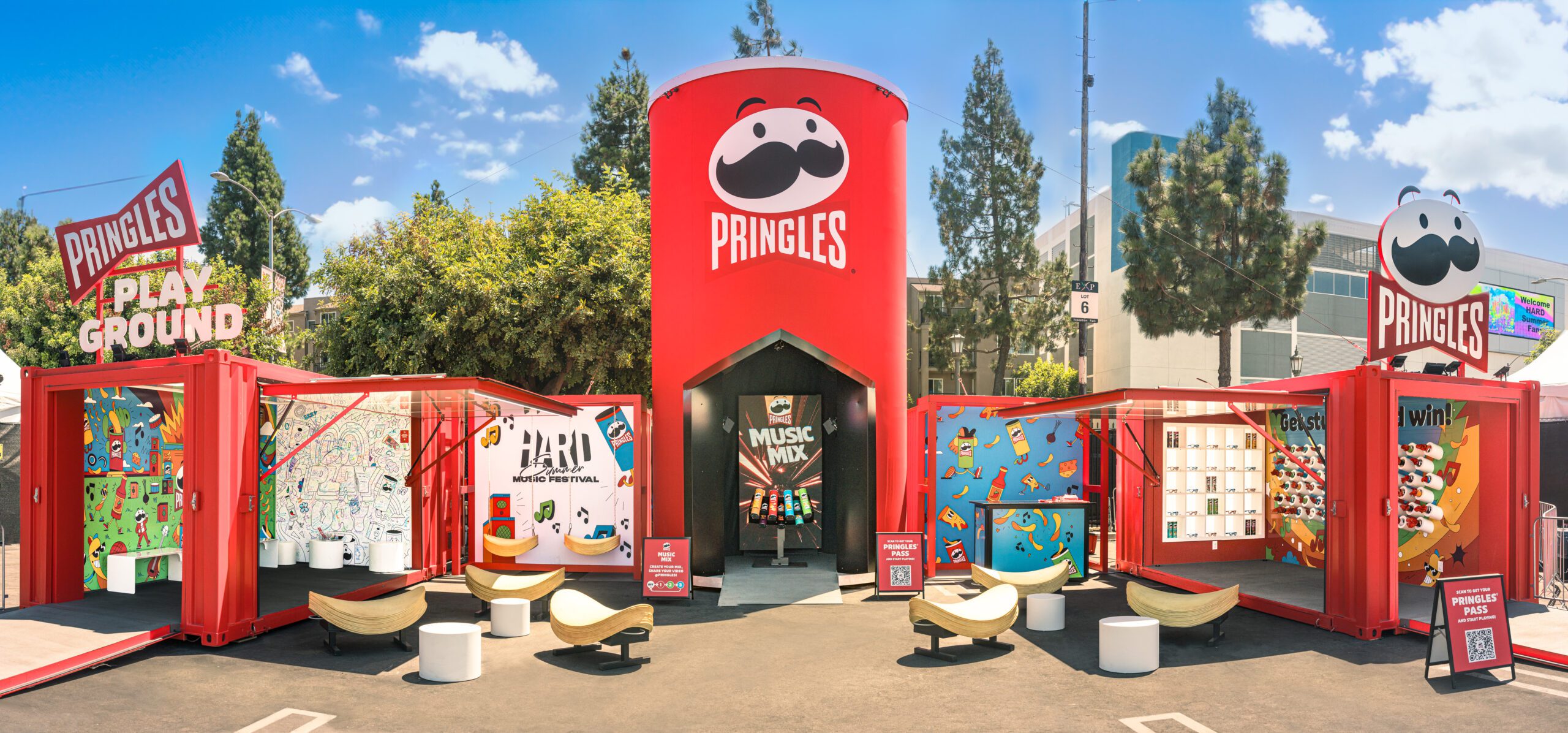
Insights | July 21, 2026
Types of Brand Activations: A Complete Breakdown
Brand activations aren’t just one thing. They can be a festival footprint, a retail pop-up, a sponsorship experience, a sampling tour, a talent-led moment, a digital campaign, or some combination of all of the above.
That’s part of what makes them useful. It’s also part of what makes them easy to misunderstand. Since the category can feel like a catchall, it helps to start with a clear definition of brand activation before choosing the right approach.
From there, the right format depends on what the brand needs people to do. Try the product. Spend more time with the brand. Enter the sweepstakes. Visit the space. Join the challenge. Share the moment. Move closer to purchase.
Different goals call for different formats.
This guide breaks down the main types of brand activations, how each one works, and when each format makes the most strategic sense.
Key Takeaways
- Brand activations can take many forms, including experiential activations, festival and event activations, sponsorship activations, talent-led activations, retail and pop-up activations, digital activations, and sampling activations.
- The right type of activation depends on the behavior the brand needs from the audience, whether that’s trial, participation, data capture, cultural relevance, purchase, or deeper brand affinity.
- Most strong activations combine more than one type. A festival activation might include sampling, sponsorship, talent, digital participation, and content.
- The best format isn’t always the biggest or most expensive one. It’s the one that fits the audience, the setting, the objective, and the role the brand can credibly play.
How to Choose the Right Type of Brand Activation
The right type of brand activation is the one that best fits the objective, audience, environment, and budget. A brand shouldn’t choose a pop-up, festival footprint, talent partnership, or digital campaign just because it sounds exciting. It should choose the format that gives people the right kind of reason to participate.
Start with the job the activation needs to do.
A new product may need trial and education. A sponsorship may need to turn access to a valuable audience into something more memorable than logo placement. A retail campaign may need to move people from interest to purchase. A cultural campaign may need to give the brand a credible role in a moment people already care about.
From there, the format should follow the behavior.
If the goal is trial, sampling may be the simplest and smartest answer. If the goal is cultural relevance, an event, sponsorship, or talent-led activation may create a stronger connection. If the goal is reach and measurable participation, digital activation may be the right starting point. If the goal is deeper affinity, an experiential environment may give people more time with the brand.
Before choosing a format, ask:
What do we want people to do?
Where are they already spending attention?
What would feel natural in that setting?
What kind of value are we giving them?
How will we know if it worked?
Most strong activations combine more than one type. A festival activation might include product sampling, a talent appearance, social content, and a QR-driven sweepstakes. A retail pop-up might include product trial, creator content, loyalty sign-ups, and a purchase offer.
The type isn’t the whole idea. It’s the shape the idea takes.
Types of Brand Activations
Experiential Activations
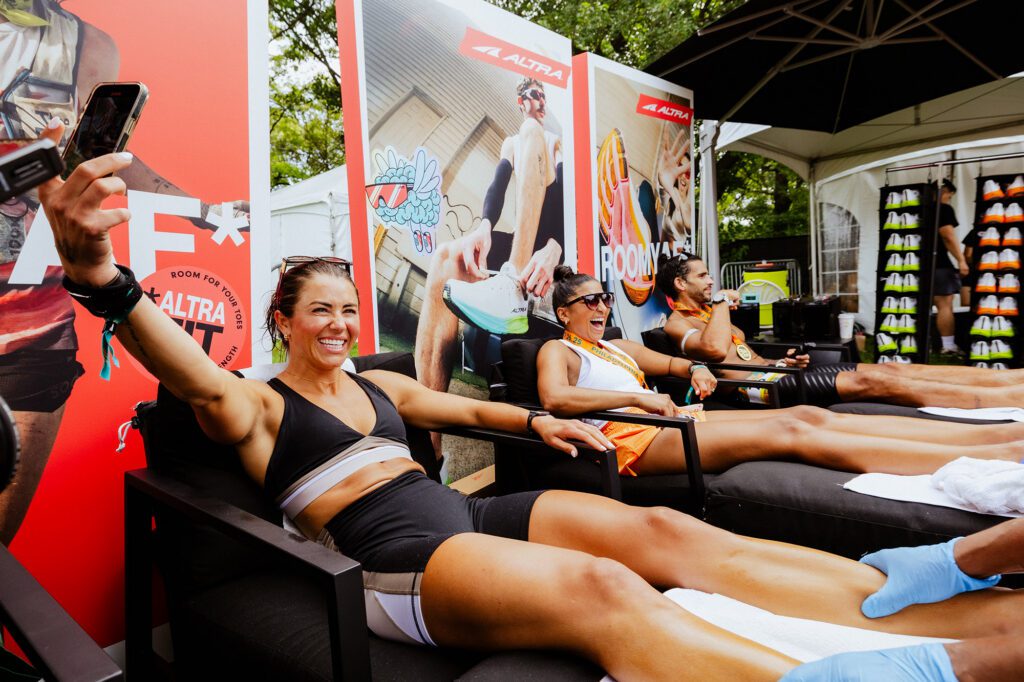
Experiential activations are a live brand experience people can physically enter, explore, or interact with. It includes pop-ups, installations, takeovers, mobile tours, launch events, and other designed environments that bring a brand idea to life in the real world.
This type of activation is best suited for brands that want people to spend more time with the brand, feel something more deeply, or understand an idea through direct experience.
An experiential activation can make an abstract brand promise feel tangible. A running brand might show up at a race weekend with a sensory recovery space, product trial moment, or movement-based challenge that helps runners feel the benefit of the brand in the context of their actual routine. A beverage brand might create a shaded festival lounge, flavor-driven bar moment, or interactive refreshment experience that fits the energy of the day.
The value of experiential activations is depth. They can create stronger memories because people aren’t just seeing the brand. They’re stepping into it and interacting with it firsthand.
The watchout is overbuilding without a clear reason. A beautiful space isn’t automatically a strong activation. People still need to understand what it is, why they should enter, what they should do, and how it connects back to the brand.
Festival and Event Activations
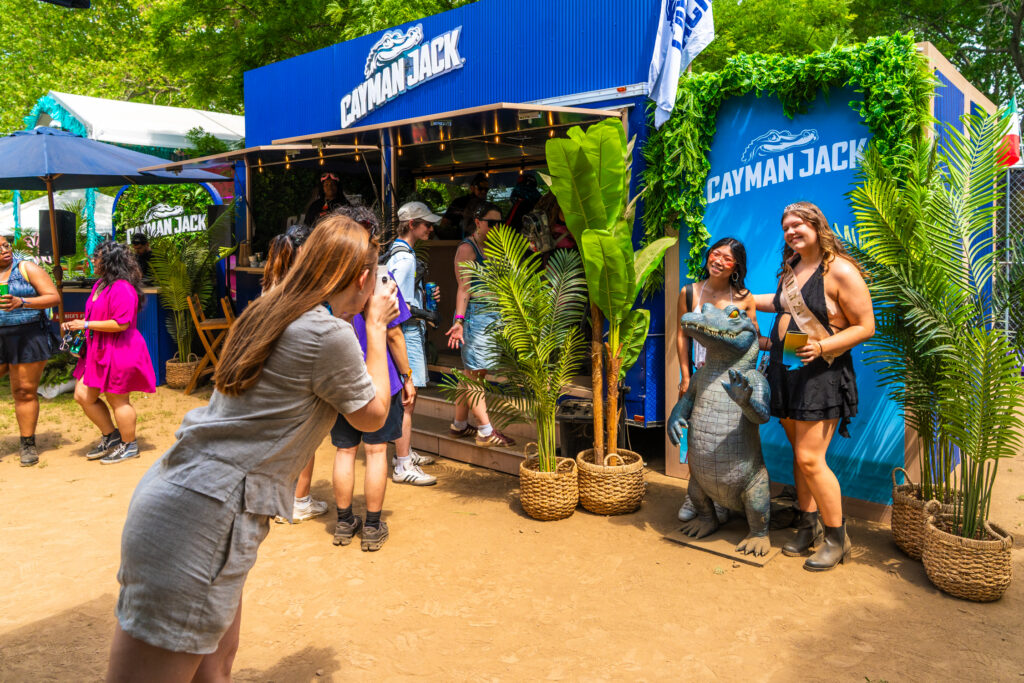
Festival and event activations bring a brand into an existing live moment, such as a music festival, sports event, food festival, college event, cultural gathering, or lifestyle experience. The brand isn’t creating the audience from scratch. It’s showing up where the right audience has already gathered, often at meaningful scale.
This type of activation is best suited for brands that want to connect with people inside a specific cultural or lifestyle context. A festival or event activation often happens through sponsorship, but access can also come through vending, sampling rights, retail partnerships, adjacent hospitality spaces, local business partnerships, or owned moments around the event.
However the brand gets there, the important part is what it adds once it shows up.
A strong event activation adds something valuable to the guest experience. That might be utility, like shade, seating, charging, hydration, or product sampling. It might be entertainment, like a game, performance, challenge, or photo moment. It might be social value, giving people a place to gather, celebrate, reset, or share.
This is one of G7’s core territories because live events sit at the intersection of culture, audience behavior, sponsorship, production, talent, content, and brand experience. The strongest event activations don’t feel bolted on. They understand the rhythm of the environment and give the brand a role inside it.
The watchout is assuming presence equals participation. A crowd may give the brand access, but the activation still has to earn engagement. If people don’t understand why they should stop, enter, try, play, scan, share, or stay, the brand may be visible without being meaningful.
Sponsorship Activations
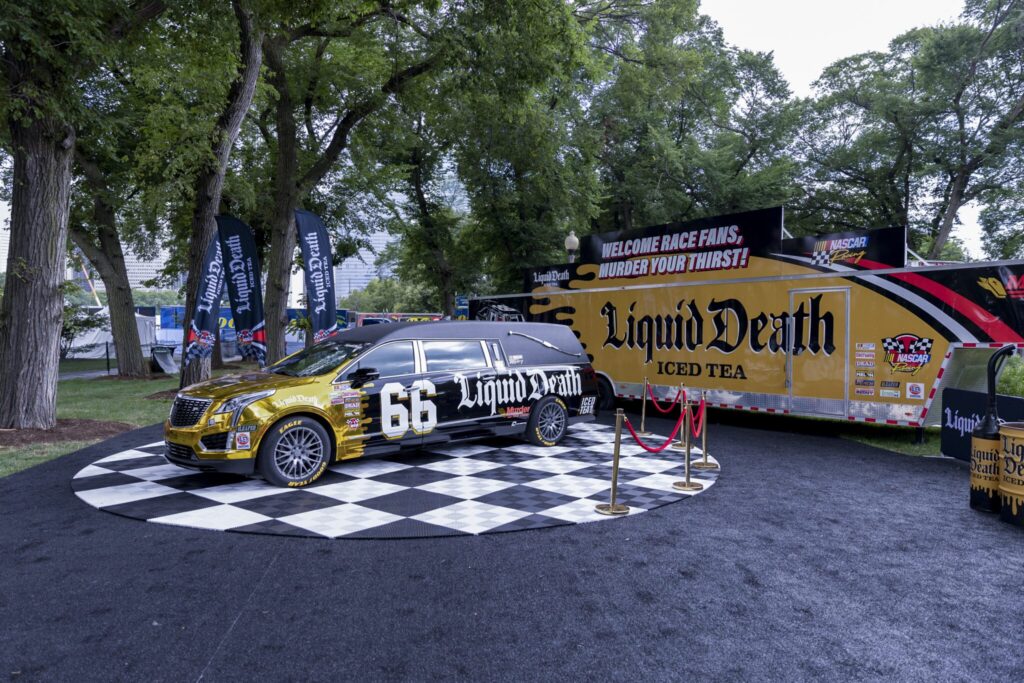
Sponsorship activations turn paid access to an audience, property, event, team, venue, artist, or platform into an experience people can actually engage with. The sponsorship gets the brand into the moment. The activation makes that presence matter.
This type of activation is best suited for brands that have already invested in sponsorship rights and want to create more value than passive visibility alone.
A sponsorship can give a brand scale, context, and credibility. It can put the brand in front of fans, guests, viewers, shoppers, or communities the brand wants to reach. But signage, logo placement, and name association are only the starting point.
The activation is what gives the audience something to do.
That could be a fan zone, viewing deck, product trial, hospitality space, challenge, reward, digital game, content moment, VIP experience, or on-site service. The goal is to turn access into interaction.
For example, a beverage sponsor at a live event might create a branded lounge or viewing area that improves the guest experience. A sports sponsor might build a competitive challenge that lets fans participate in the energy of the game. A music sponsor might create a content or access moment that feels connected to the artist, venue, or festival.
The strategic question isn’t just “Where can our logo appear?” It’s “What can this sponsorship let people experience?”
The watchout is paying for access and stopping there. If the audience only sees the brand but never has a reason to engage with it, the sponsorship may be underused.
Talent-Led Activations
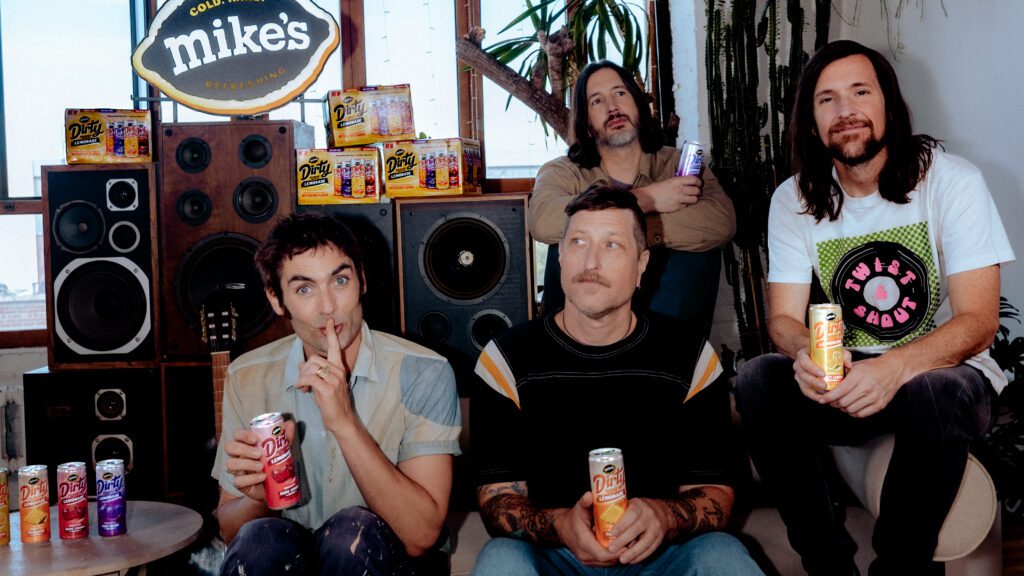
Talent-led activations use artists, athletes, creators, hosts, entertainers, or cultural figures to make a brand experience more compelling, credible, or culturally relevant. The talent isn’t just there to be recognizable. They help give people a stronger reason to pay attention, show up, enter, share, or participate.
This type of activation is best suited for brands that need cultural connection, audience trust, reach, earned attention, or a more meaningful reason for people to care quickly.
Talent can have many different jobs inside an activation. An artist can turn a campaign into a live experience people want access to. An athlete can make a sports, fitness, or wellness moment feel more credible. A creator or host can make a contest, sweepstakes, or social idea feel more entertaining and newsworthy. The right talent doesn’t just bring an audience with them. They make the idea sharper.
That distinction matters. Talent shouldn’t be treated as a shortcut around having a strong activation idea. They should make the idea work harder.
A celebrity appearance may create buzz, but the stronger question is what people are invited to do because of that talent’s involvement. Can they attend something? Enter for access? Join a fan experience? Watch a performance? Take part in a challenge? Engage with a story the talent makes more believable or entertaining?
The best talent-led activations connect the talent to the behavior the brand wants from the audience. They don’t simply attach a famous name and hope attention turns into engagement.
The watchout is expensive decoration. If the talent could be swapped for almost anyone and the experience would feel the same, the role probably isn’t specific enough.
Retail and Pop-Up Activations
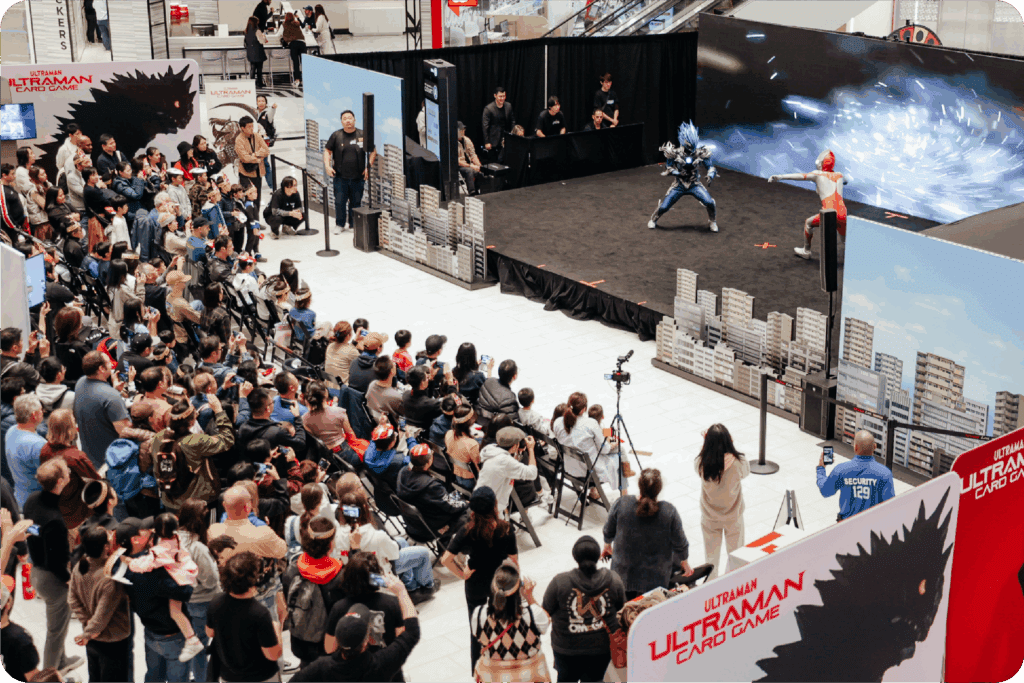
Retail activations bring a brand experience into or near a shopping environment. Pop-up activations create a temporary brand destination people can visit, try, shop, explore, or share.
These formats are best suited for brands that want to connect engagement to product discovery, trial, education, or purchase.
Retail activations often happen in stores, shopping districts, malls, campuses, high-traffic neighborhoods, or other purchase-adjacent environments. They can also happen just outside the store, like in a parking lot or nearby event space where the brand can connect trial to the place the product is sold.
That may sound less glamorous than a flagship pop-up, but it can be extremely effective. Sometimes the smartest activation is the one closest to the shelf, cooler, display, or purchase moment.
Retail activations can include demos, consultations, samples, limited-time offers, loyalty sign-ups, product education, or in-store events. Pop-ups usually give the brand more room to create a world around the product. They can support a launch, seasonal campaign, limited-edition release, new market, content moment, or community experience.
The strength of retail and pop-up activation is proximity to action. People can try something, learn something, scan something, sign up for something, or buy something without adding much friction.
A beauty brand might use a retail activation to offer quick consultations and samples near the shelf. A food or beverage brand might use a pop-up to introduce a flavor, create a photo-worthy moment, and send people to a nearby retailer. A fashion brand might use a temporary space to create urgency around a limited drop.
The watchout is forgetting the next step. A retail or pop-up activation should make it easier for people to try, buy, join, return, or take another step. If the experience is fun but disconnected from behavior, it may not deliver much beyond short-term attention.
Digital Activations
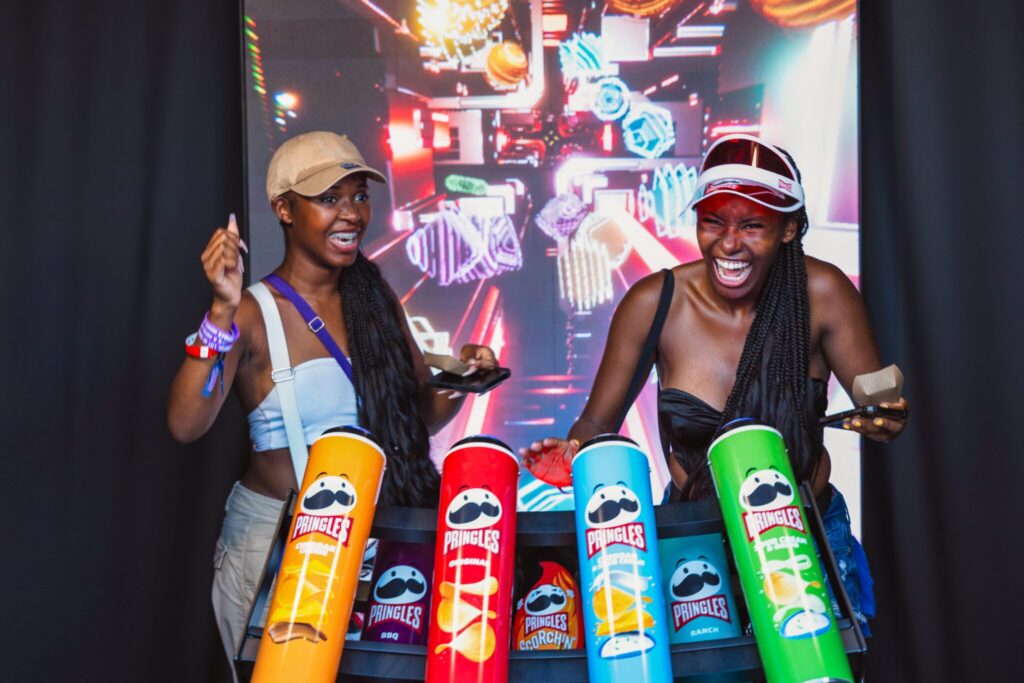
Digital activations are online experiences that gives people a way to participate with a brand. It can take the form of a microsite, platform, limited product drop, sweepstakes, game, social challenge, creator prompt, digital tool, UGC submission, voting mechanic, QR-driven journey, loyalty experience, or virtual extension of a live moment.
This type of activation is best suited for scale, measurable engagement, data capture, social participation, and campaigns that need to reach people beyond one physical location.
A digital activation doesn’t have to feel like a form submission or contest entry. It can be playful, useful, emotional, surprising, or collectible. The common thread is that the audience has something to do with the brand online, not just something to see.
Digital activations work best when the action is easy to understand and the value exchange is clear. People should know why it’s worth clicking, entering, sharing, playing, exploring, buying, or coming back.
That might mean entering for a prize, voting on a campaign outcome, submitting content, playing a branded game, unlocking a reward, exploring a personalized experience, or trying to access a limited drop. The more steps the audience has to take, the stronger the payoff needs to be.
Digital activations can also extend a live experience. A festival footprint might use a QR code to drive sweepstakes entries or product education. A pop-up might generate content that reaches people who weren’t there in person. A talent-led campaign might use social participation to turn a one-time moment into something bigger.
The value of digital activations is reach. The watchout is mistaking clicks for real engagement. A digital activation still needs a reason to participate, not just a mechanic to complete.
Sampling Activations
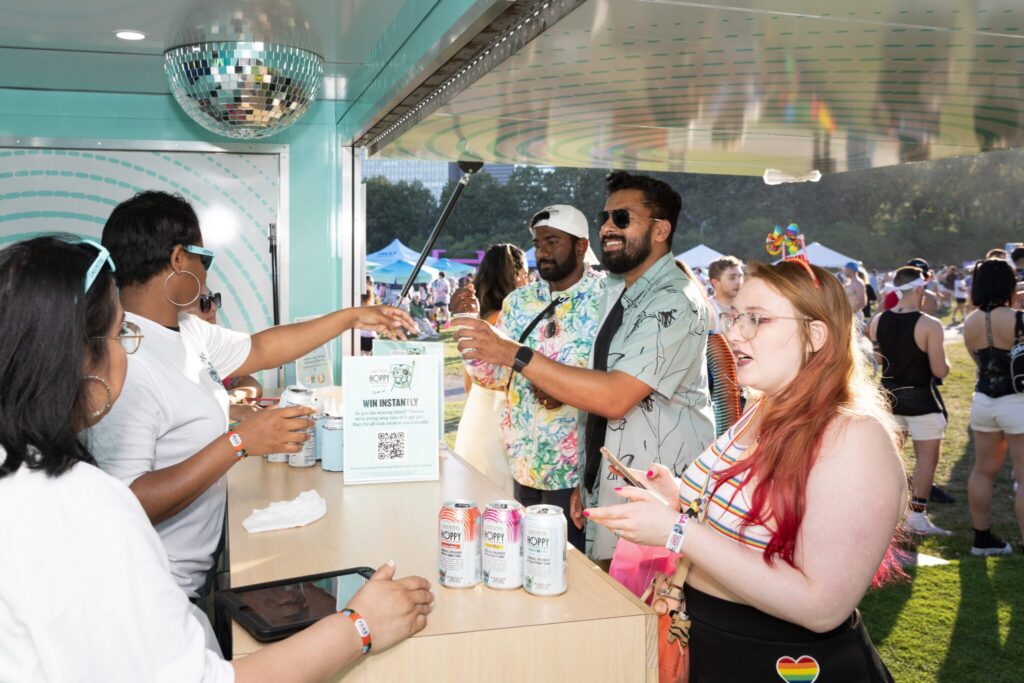
Sampling activations give people a direct opportunity to try a product in a relevant setting. It can happen at events, stores, campuses, gyms, offices, festivals, retail locations, mobile tours, street teams, or other high-traffic environments.
This type of activation is best suited for brands that need product trial, education, or a lower barrier to first purchase.
Sampling works because it removes distance between the person and the product. Instead of asking someone to believe a claim, the brand lets them experience it firsthand.
For familiar products, sampling may be about volume, reach, and reminding people why they like the brand. For new products, emerging categories, or unfamiliar formats, sampling may need more explanation. Ambassadors may need to help people understand what the product is, how to use it, when to use it, and why it fits their life.
Good sampling isn’t just handing something out. The context matters. A cold drink on a hot day, a snack at the right kind of event, or a beauty sample near the moment of purchase can feel useful rather than random.
Sampling can also connect to conversion through coupons, QR codes, store locators, loyalty offers, purchase incentives, or follow-up messages.
The watchout is treating trial as the finish line. The sample should create a path to the next action, whether that’s buying, scanning, signing up, sharing, or looking for the product later.
Which Type of Activation Is Right for Your Brand?
The right type of activation depends on what the brand needs participation to accomplish. The format should follow the objective, not the trend.
Use the table below as a starting point, not a rulebook. Real campaigns often combine multiple formats, but each type tends to solve for a different kind of audience behavior.
| ACTIVATION TYPE | BEST FOR | HOW AUDIENCES PARTICIPATE |
|---|---|---|
| Experiential Activation | Deeper brand affinity, product education, content, and memorable engagement | People enter, explore, interact, try, or spend time with the brand in a designed environment |
| Festival and Event Activation | Reaching the right audience at scale inside a cultural, sports, music, or lifestyle moment | People visit, sample, play, gather, recharge, scan, share, or take part in the event experience |
| Sponsorship Activation | Turning paid access to an audience into something more valuable than logo visibility | Fans use, visit, play, try, watch, redeem, share, or engage with a brand-owned part of the sponsorship |
| Talent-led Activation | Cultural relevance, earned attention, audience trust, and stronger reasons to show up or share | People attend, enter for access, join a fan experience, watch a performance, follow a story, or participate through talent |
| Retail and Pop-Up Activation | Product discovery, trial, education, purchase, and shopper conversion | People try, shop, scan, sign up, learn, redeem an offer, or move closer to purchase |
| Digital Activation | Scale, measurable engagement, data capture, social participation, and reach beyond one physical location | People enter, vote, submit, play, unlock, explore, share, buy, or come back online |
| Sampling Activation | Product trial, education, first purchase, and reducing barriers to consideration | People test, receive, learn about, scan, redeem, or look for the product later |
Budget matters, but scale isn’t the same as strategy. A simple activation with a sharp audience insight can outperform a large build that people don’t understand. The strongest activations usually have three things in common: a clear role for the brand, a natural reason for people to participate, and a measurement plan that connects back to the business goal.
Many activations combine formats because real campaigns rarely live in neat categories. A sponsorship activation may also be experiential. A festival activation may include sampling. A talent-led campaign may drive digital participation. A pop-up may support retail sales and content capture.
That’s not a problem. It’s often the point.
The key is making sure every layer has a job. Talent should add credibility, access, or attention. Sampling should support trial. Digital should support participation, data, or amplification. The live experience should help people understand, feel, or remember the brand.
When every piece points toward the same objective, the activation feels cohesive. When pieces are added only because they sound impressive, the idea can become busy without becoming better.
Bring Your Activation to Life
Brand activations work best when the format gives people a real reason to participate. That could mean trying a product, stepping into a brand world, joining a challenge, attending a live moment, entering for access, engaging with talent, or experiencing a sponsorship in a more useful way.
G7 is a brand activation agency that helps brands turn objectives into the right mix of experience, talent, sponsorship, entertainment, digital engagement, and culture. The goal isn’t to pick a type and force the idea to fit. It’s to build the idea around the clearest reason for people to participate.
FREQUENTLY ASKED QUESTIONS
The main types of brand activation include experiential activations, festival and event activations, sponsorship activations, talent-led activations, retail and pop-up activations, digital activations, and sampling activations. Each type gives people a different way to engage with a brand.
The best activation type for a product launch depends on the product and audience, but sampling, retail activation, pop-ups, experiential activations, and digital campaigns are often strong options. Product launches usually need to create awareness, trial, education, and a clear next step.
Experiential activations are a designed brand experience people can physically or digitally engage with. Sponsorship activations start with paid access to an audience, property, event, team, venue, artist, or platform, then turns that access into a participatory brand experience.
Yes! Many effective brand activations combine multiple formats, such as a sponsorship activation with an experiential footprint, sampling program, talent appearance, social content plan, and digital sweepstakes. The key is making sure each format supports the same objective.