Insights | August 28, 2026
What Is Experiential Marketing? How Brand Experiences Create Connection
Most marketing asks people to watch, read or listen. Experiential marketing gives them something to step into, try or take part in, bringing the brand out of the message and into the real world.
That shift can serve very different strategic goals. A pop-up can turn product discovery into a destination. A festival footprint can give a sponsor a valuable role in the weekend. A mobile tour can carry an impactful idea across markets and audiences. An immersive installation can surround people in a brand world they can see, hear, touch and explore.
The formats vary, but the appeal is deeply human: people get to discover what the brand means for themselves.
Key Takeaways
- Experiential marketing brings a brand to life through direct, in-person experiences that people can enter, explore or participate in.
- Pop-ups, immersive experiences, mobile tours, festival footprints, product sampling, fan zones, street experiences, hospitality and sponsorship activations can all be experiential.
- The strongest experiential programs create something valuable for the audience, useful to the brand and workable in the environment where the experience lives.
What Is Experiential Marketing?
Experiential marketing is a strategy that brings a brand to life through direct, in-person audience experiences. Digital tools may shape, extend or amplify the interaction, but the experience itself happens in the physical world.
It might invite someone to sample a product, enter an immersive space, play a game, attend a live event, meet an artist, personalize a takeaway, access a better view or share a moment with friends.
Experiential marketing is one major form of brand activation, but the terms aren’t interchangeable. Brand activation is the broader marketing discipline of turning brand awareness into participation or action. Unlike advertising, which delivers a message for an audience to receive, activation gives people something to do with the brand. That can happen through experiential, digital, retail, sponsorship, sampling, talent-led and other formats.
Experiential marketing is the part of that larger discipline built around direct experience: the environment people enter, the interaction they have and the impression they take with them.
What Are the Main Types of Experiential Marketing?
Experiential marketing isn’t limited to large scenic builds or elaborate installations. It can take many forms, including:
- Pop-ups and immersive experiences that give people a temporary brand destination or world to explore.
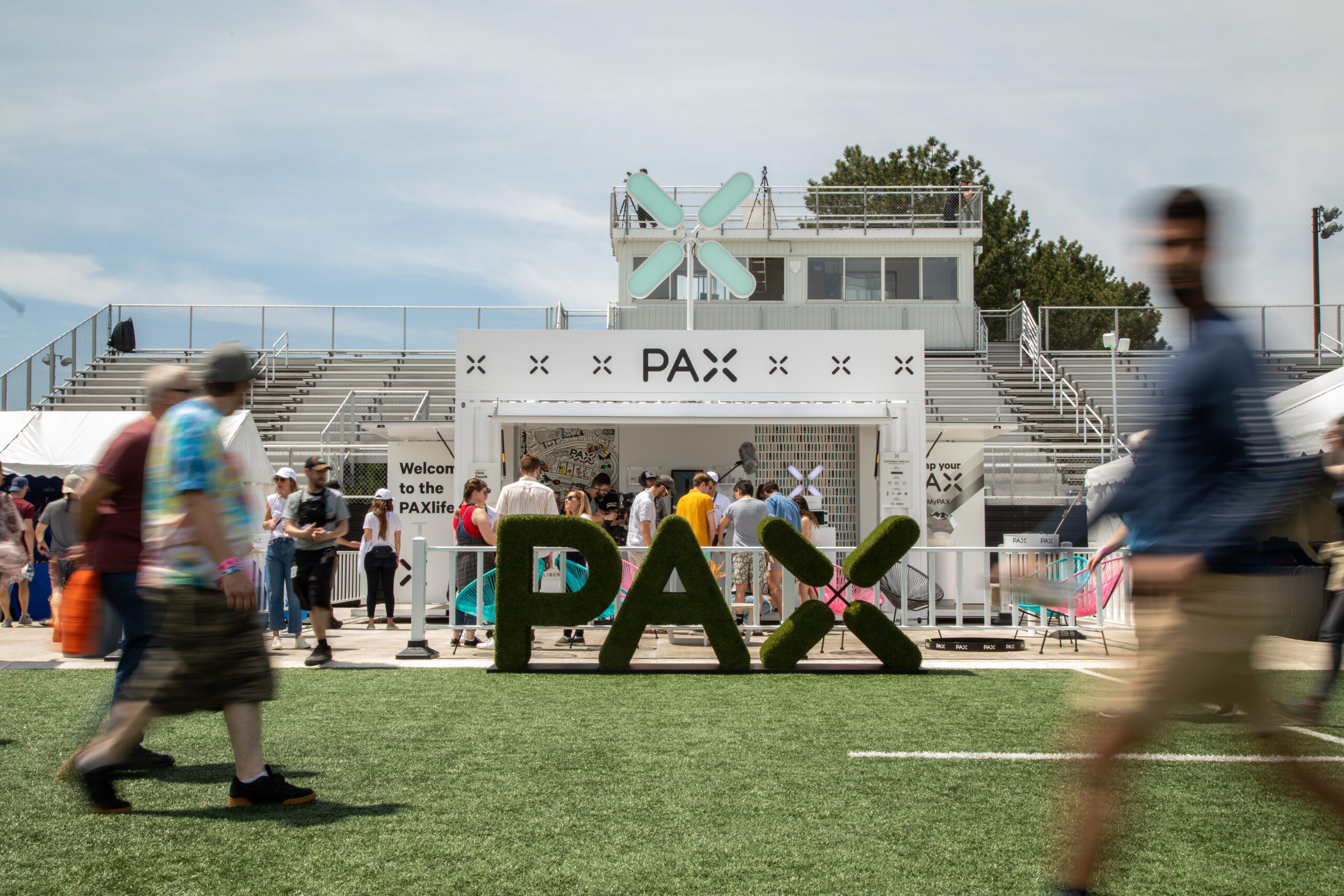
- Festival and event activations that add utility, entertainment, product trial or access to an experience people already care about.
- Mobile marketing tours that bring a brand experience to multiple markets, events, campuses or retail locations.
- Product sampling experiences that surround trial with education, entertainment, incentives or a clear path to purchase.
- Sponsorship activations and fan zones that turn brand rights and visibility into something fans can use, visit or participate in.
- Retail experiences that encourage discovery, trial, traffic or purchase in and around the shopping environment.
- Talent-led experiences that use artists, athletes, creators, chefs, hosts or other cultural figures to create demand, credibility or a compelling reason to participate.
- Street experiences and stunts that bring an idea into public life through surprise, spectacle or direct interaction.
An experience can fit several of these descriptions at once. A sponsored fan zone might also include talent, sampling and digital engagement. A mobile tour might visit festivals, campuses and retail locations over the course of one campaign.
As with the broader types of brand activation, these categories help describe the program without forcing it into a single box. The more important question is what the format allows people to experience and whether that helps accomplish the brand’s goal.
Why Do Brands Use Experiential Marketing?
Some ideas become more powerful once people can experience them for themselves.
A new product is easier to understand when someone can try it. A sponsorship becomes more meaningful when the brand improves the fan experience. A campaign idea can become more memorable when people can physically enter its world. A well-built talent partnership can create access, credibility or energy that gives fans a genuine reason to show up.
That makes experiential useful across a wide range of objectives, from product trial, education and retail action to awareness, affinity, cultural relevance and community. A live experience can also generate content, earned attention, first-party data and stories that reach well beyond the people who attended.
There’s an emotional advantage, too. People may forget an ad they scrolled past, but trying a new product or stumbling into an unexpected brand moment has a better chance of sticking with them.
Experiential won’t be the right answer to every marketing challenge. But when direct experience can make something easier to understand, more meaningful or more memorable, it can build a kind of connection that media alone rarely creates.
How Do You Build a Strong Experiential Marketing Strategy?
Experiential strategy begins with the job the experience needs to do.
What does the brand need to accomplish? Who needs to participate? What would those people need to do, feel, try, understand or share for the experience to support that goal?
From there, four questions can help shape the program.
What Value Will the Brand Create?
People rarely arrive at a festival, game, store or cultural event hoping to spend more time with advertising, but they’ll happily make room for a brand that offers something worthwhile.
That value could be practical, emotional, entertaining, educational or social. A brand might help people cool down, discover a product, get closer to the action, access something special, learn a skill or share a memorable moment.
The right role depends on the context. Shade and cold product may be more compelling than spectacle on a hot festival afternoon. A new category may need simple, hands-on education. A sports sponsor may have an opportunity to improve how fans experience the game.
The strongest experiences understand what people are already doing and find a way to make that moment better. The brand activations that work best at music festivals, where attention is especially crowded, earn their place by adding to the weekend rather than interrupting it.
How Will People Move Through the Experience?
The guest journey begins before someone steps inside.
What catches their attention? Can they understand the idea and reason to care quickly? Why should they participate? What happens once they do? What will they leave knowing, feeling, holding or wanting to do next?
Those questions turn a concept into an experience people can actually navigate. A beautiful rendering won’t compensate for a confusing entrance, slow line, buried call to action or data request that asks more than it gives back.
The experience should feel intuitive to the guest. Getting it there usually requires careful thinking about every step behind the scenes.
Can the Idea Work in the Real World?
Live experiences have to survive budgets, timelines, footprints, venue rules, weather, staffing, technology, accessibility, shipping, and the unpredictable ways people behave.
Those conditions should shape the concept from the beginning. An interaction that works beautifully in a pop-up may move too slowly for a crowded festival. A scenic build may look impressive but make little sense for a tour moving between markets. A simple idea with a sharp insight can outperform a larger one that creates friction.
Execution is part of experiential strategy because it determines whether the audience ever receives the experience as intended. The strongest concepts are ambitious enough to make an impact and grounded enough to work under real conditions.
How Will the Experience Work Beyond the Footprint?
The people who attend should get the fullest version of the experience, but its value doesn’t have to end with them or when the event is over.
For guests, that might mean receiving photos from the experience, unlocking a useful offer, finding the product nearby or getting a follow-up that adds to what happened rather than simply asking for more attention.
For the larger audience, the experience can create content, social conversation, earned media and a clear story that travels beyond the physical space. For the brand, it can generate first-party data, retail follow-through, partner value, useful learnings or a repeatable platform for future events.
It helps to think about two audiences: those who go, who participate firsthand, and those who know, who encounter the idea through social, press, creators or cultural conversation. The best brand activation examples reward the people who show up while making the central idea clear enough to resonate with everyone else.
Planning for that wider life early helps the experience work harder without turning the live moment into little more than a backdrop for content.
How Is Experiential Marketing Measured?
The right experiential marketing metrics depend on what the program was built to accomplish.
If the goal is product trial, samples distributed only tell part of the story. The brand may also need to understand whether people learned something, showed purchase intent, redeemed an offer or looked for the product afterward. A sponsorship activation might be measured through participation, dwell time, fan sentiment or partner value. An awareness-led program may put more weight on attendance, earned media, social reach and content performance.
Defining success early is important because measurement can change the experience itself. A program built for meaningful trial needs a different flow from one built for maximum throughput. Data capture requires an exchange worth completing. An idea expected to travel through social or press needs to remain clear when separated from the physical environment.
A packed footprint can look successful without proving much. The strongest measurement connects what people did and how they responded back to the objective that justified the experience in the first place.
How Does G7 Approach Experiential Marketing?
G7 creates brand experiences at the intersection of strategy, culture, entertainment and real-world execution.
We start with what the brand needs to accomplish and what would make the experience worthwhile for the audience. From there, we bring together the right mix of creative, design, talent, partnerships, production, digital engagement and onsite execution to make the idea work where it actually has to live.
That could mean an immersive pop-up, mobile tour, festival footprint, sampling program, fan zone, hospitality experience, talent-led moment or sponsorship activation. The format follows the assignment.
The goal is to create an experience people will choose to enter, enjoy and remember, while giving the brand a meaningful role in the moment.
—
Ready to turn your brand into an experience?
G7 helps brands develop experiential strategies that connect business objectives with experiences people actually want to enter, explore, and remember.